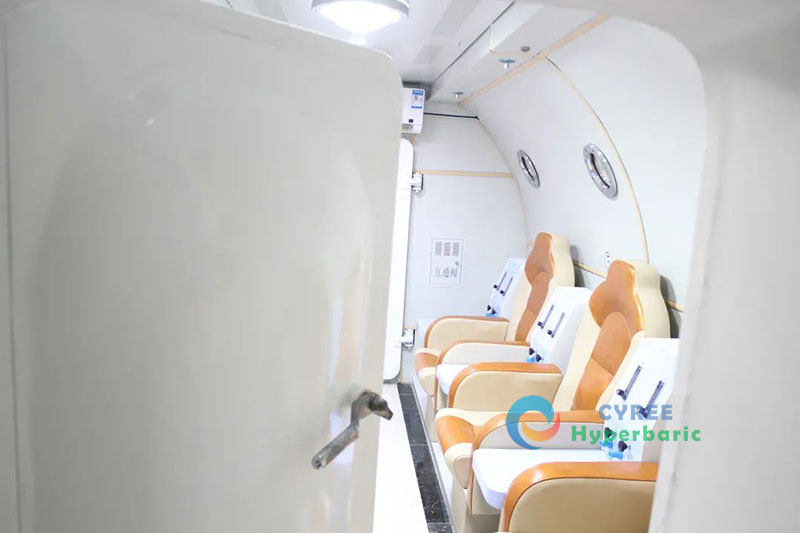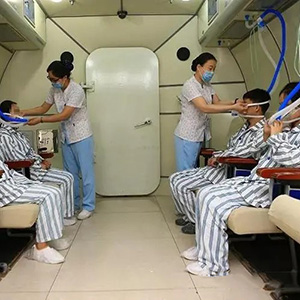
What is hyperbaric oxygen therapy?
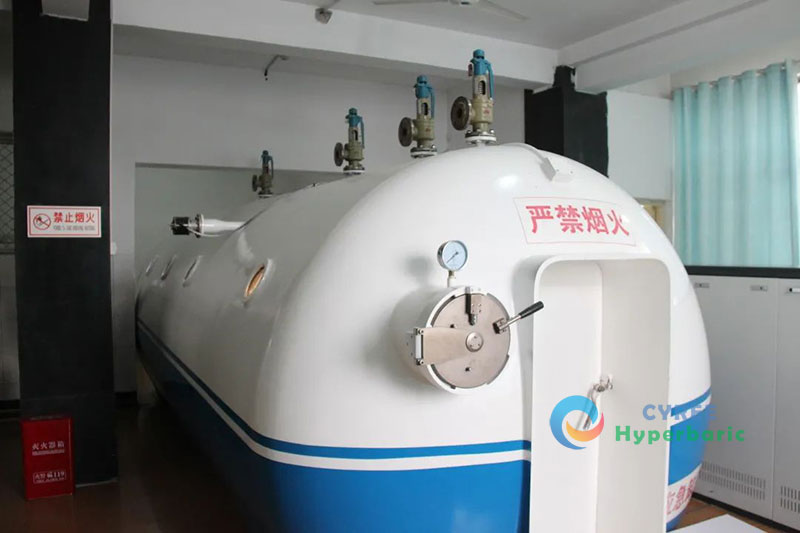
Hyperbaric oxygen therapy is a safe, effective, and cost-effective novel medical treatment. It involves administering pressurized oxygen within a hyperbaric chamber, creating an environment exceeding one atmosphere of pressure, where patients inhale high-concentration oxygen to treat various conditions. Compared to oxygen therapy at normal atmospheric pressure, hyperbaric oxygenation increases the amount of oxygen physically dissolved in the blood by 13 to 17 times. It offers unparalleled therapeutic benefits for various ischemic and hypoxic conditions, as well as diseases caused by anaerobic bacterial infections, which other therapies cannot match.

Indications for Hyperbaric Oxygen Therapy

Hyperbaric oxygen therapy primarily targets ischemic-hypoxic diseases, conditions caused by ischemia and hypoxia, and a range of scenarios involving ischemia and hypoxia during disease progression.
1. Acute Indications
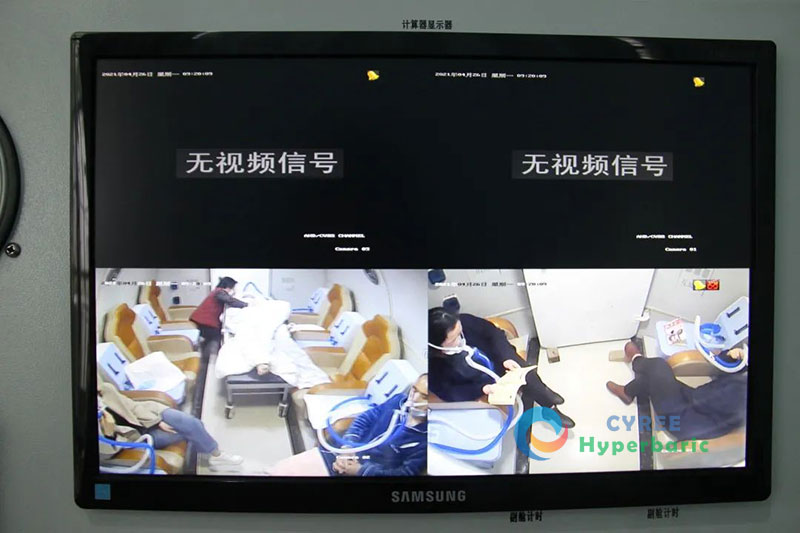
Acute carbon monoxide poisoning encephalopathy, acute air embolism, poisoning from certain toxic gases (liquefied petroleum gas, hydrogen sulfide, gasoline, etc.), asphyxia (drowning, electrocution, hanging), retinal artery embolism, acute brain dysfunction following cardiopulmonary resuscitation, crush injuries and crush syndrome, acute peripheral circulatory failure, severe spinal cord injury.
2. Non-Emergency Indications
- Neurosurgery: Cerebral edema, traumatic brain injury, concussion and its sequelae, postoperative management of benign intracranial tumors.


- Neurology: Cerebral infarction, cerebral vasospasm, cerebral thrombosis, multiple sclerosis, viral encephalitis, neurogenic headache.
- Otolaryngology: Sudden deafness, tinnitus, blast-induced hearing loss, vertigo syndrome.

- Ophthalmology: Retinal vein thrombosis, optic atrophy (early stage), diabetic retinopathy, central serous chorioretinopathy, ischemic retinopathy.
- Orthopedics: Fractures and nonunion, aseptic necrosis, avascular necrosis of femoral head, post-replantation of amputated fingers, post-skin grafting and bone grafting, osteomyelitis, etc.


- Dentistry: Periodontal disease, post-orthodontic surgery.
- Endocrinology: Diabetic infectious ulcers, pressure ulcers, chronic venous ulcers, etc.


- General Surgery: Crush injuries, crush syndrome, ulcerative colitis, non-healing wounds, ischemic ulcers.
- Infectious Diseases: Refractory fungal infections.


- Trauma Hand and Foot Surgery: Distressed skin flaps, compartment syndrome, crush injuries, post-amputation (finger/toe) circulatory disorders.
Can healthy individuals undergo hyperbaric oxygen therapy?
Hyperbaric oxygen therapy poses no harm to healthy individuals. Not only is it harmless to the human body, but it also offers health benefits, making it a safe and effective treatment method suitable for the following groups:
1. Women: Beauty and Skin Care
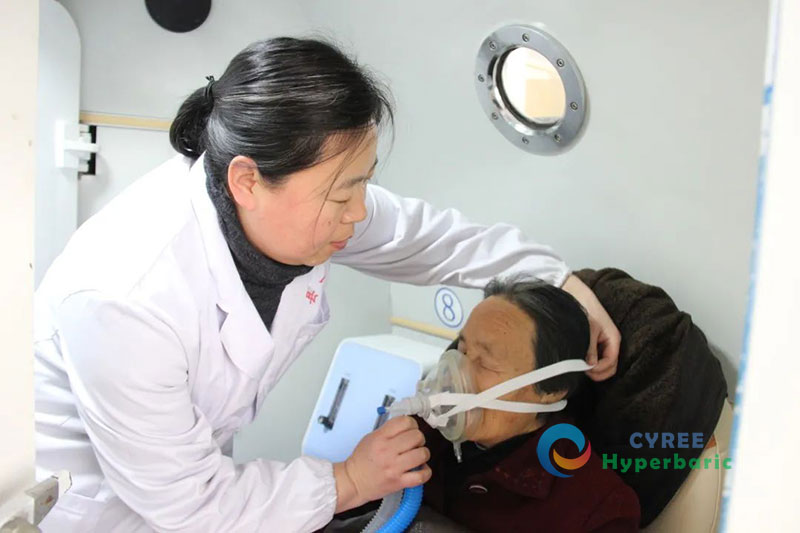
Oxygen therapy provides a natural approach to beauty and skin care, alleviating sub-health fatigue and maintaining high energy levels. It effectively promotes skin elasticity, restoring a smooth, rosy complexion and rejuvenating vitality.
2. Students: Alleviate fatigue and enhance learning capacity
Medical practice shows that memory and calculation abilities significantly decline under oxygen-deficient conditions. Oxygen supplementation rapidly restores blood oxygen levels, boosts cerebral oxygen supply, and improves academic performance and exam readiness.
3. White-Collar Workers: Boost Efficiency, Alleviate Stress
Long-term exposure to air-conditioned environments with closed windows and doors exposes white-collar workers to stagnant air and insufficient oxygen levels. Combined with irregular lifestyles, heavy mental workloads, and high stress, proper oxygen supplementation is crucial. It enhances work efficiency, improves mental clarity, and relieves occupational stress.
What should be noted during hyperbaric oxygen therapy?
Hyperbaric oxygen therapy primarily requires attention to the following two points:
1. Seize the optimal treatment window
Typically, disease treatment has an optimal window. If this window is missed, even hyperbaric oxygen therapy—no matter how remarkable—cannot achieve satisfactory results.
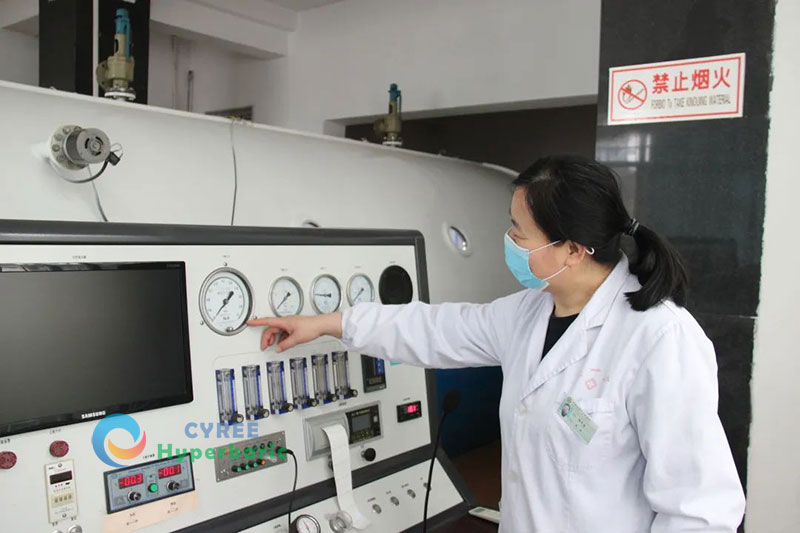
2. Prohibition of flammable or explosive items in the chamber
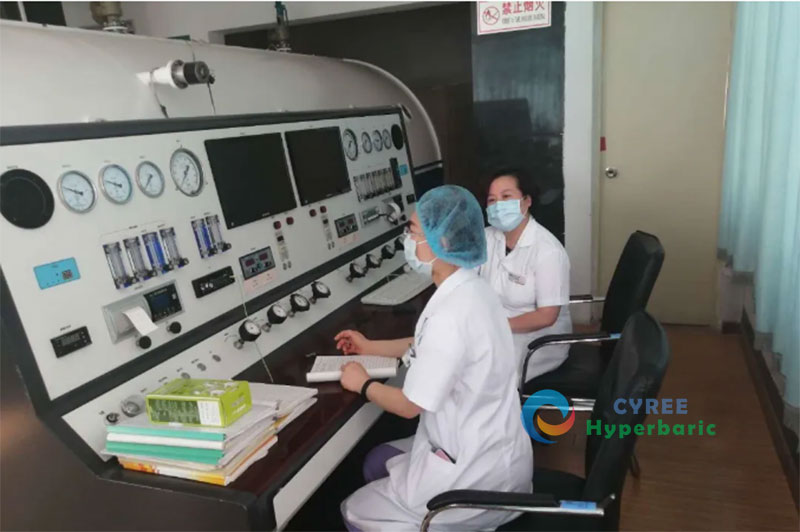
The hyperbaric oxygen chamber operates under high pressure. To ensure safety, it is strictly forbidden to bring flammable or explosive items such as lighters, mobile phones, batteries, or thermos flasks into the chamber.