As health management awareness grows, oxygen therapy has gradually become an important choice for household wellness. However, faced with different products like hyperbaric oxygen chambers and oxygen concentrators on the market, consumers often struggle to distinguish their core differences. This article will delve into the distinctions between the two from perspectives such as operating principles, efficacy, and suitable user groups, helping users make informed choices.
1. Core Principles: The Fundamental Difference Between Pressure and Oxygen Concentration
Different Pressure Environments
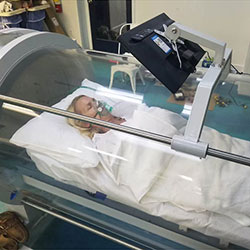
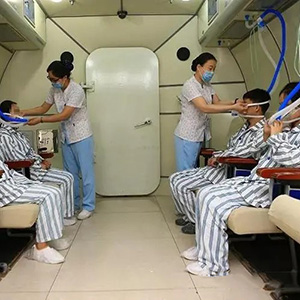
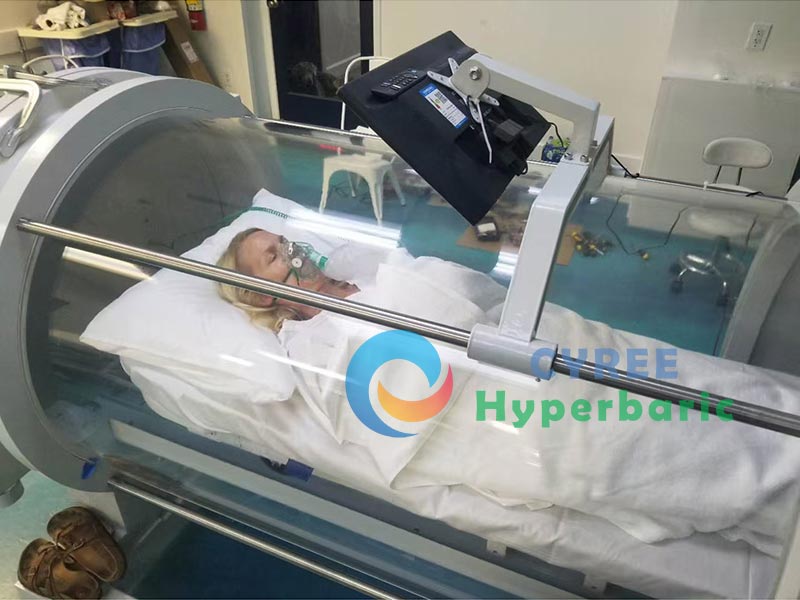
Hyperbaric oxygen therapy requires specialized chambers operating at pressures typically ranging from 1.1 to 1.3 atmospheres absolute (some medical devices reach 2 or 3 atmospheres). This pressurized environment significantly increases the physical dissolution of oxygen in the blood. In contrast, oxygen concentrators operate at atmospheric pressure, delivering oxygen via nasal cannulas or face masks without altering environmental pressure.
Oxygen Concentration and Absorption Efficiency
Oxygen concentration within hyperbaric chambers reaches 85%-95%, with partial pressure of oxygen (PaO₂) elevated to 6 times atmospheric levels (e.g., 1172 mmHg at 1.3 atmospheres). This facilitates oxygen molecule penetration through ischemic and edematous tissues, increasing diffusion distance from 30μm at atmospheric pressure to 100μm. Oxygen concentrators typically deliver oxygen concentrations of 25%-55%, which can only alleviate mild hypoxia and cannot deeply repair deep tissues.
2. Medical Value: Contrasting Therapeutic Effects
Unique Effects of Hyperbaric Oxygen Therapy
Tissue Repair: Hyperbaric oxygen promotes angiogenesis and accelerates postoperative wound healing, demonstrating efficacy for diabetic foot ulcers and post-stroke sequelae.
Antimicrobial Action: For gas gangrene and anaerobic bacterial infections, hyperbaric oxygen directly suppresses pathogen activity and synergizes with antibiotics.
Sub-Health Improvement: Increases cerebral blood flow, alleviates insomnia and memory decline, and supports anti-aging (by extending telomere length).
Limitations of Oxygen Concentrators
Oxygen concentrators are only suitable for daily adjunctive treatment of hypoxic conditions like chronic obstructive pulmonary disease (COPD) and mild respiratory failure. They cannot address deep tissue hypoxia caused by vascular obstruction or cellular edema.
3. Application Scenarios: Precise Matching of Needs
Type | Suitable Population | Typical Scenarios |
Hyperbaric Oxygen Therapy | Hyperbaric Oxygen Therapy Post-surgical recovery, stroke patients, sub-health individuals | Medical institutions, high-end households, wellness centers |
Oxygen Concentrator | Chronic respiratory disease patients, high-altitude hypoxia sufferers | Home daily oxygen therapy, portable supplemental oxygen |
Data from a major hospital indicates hyperbaric oxygen therapy can shorten stroke patients’ recovery period by 30%.
User feedback indicates oxygen concentrators effectively maintain blood oxygen levels for COPD patients but have limited neuroprotective effects.
4. Safety Comparison: Balancing Professionalism and Convenience
Hyperbaric Oxygen Therapy
Requires strict adherence to protocols. Contraindications include untreated pneumothorax and active bleeding. However, modern home micro-hyperbaric chambers (below 1.3 atmospheres) significantly reduce risks through smart safety valves and lock-free door designs.
Oxygen Concentrators
Simple operation and high safety, but prolonged high-concentration oxygen use may cause oxygen toxicity; usage duration must be controlled under medical supervision.
5. Summary: Choose Based on Needs, Practice Scientific Oxygen Therapy
Hyperbaric oxygen therapy centers on “pressurized high-concentration oxygen,” suitable for deep repair and disease treatment; oxygen concentrators feature “atmospheric oxygen supplementation,” emphasizing daily maintenance. For high-end households pursuing anti-aging, post-surgical recovery, or sub-health improvement, micro-hyperbaric chambers offer comprehensive wellness solutions. For chronic respiratory disease patients, oxygen concentrators remain the cost-effective choice.
Scientific Recommendations:
– Medical treatment requires physician guidance; prioritize hyperbaric oxygen therapy at healthcare facilities.
– For home wellness, select internationally certified smart micro-hyperbaric chambers or medical-grade oxygen concentrators based on individual needs.