Oxygen: The Invisible Fuel of Life
The human body consumes approximately 250 milliliters of oxygen per minute, with the brain accounting for over 20% of this demand. Oxygen enters the bloodstream through the alveoli, where it binds with hemoglobin to form “oxyhemoglobin,” supplying energy to cellular mitochondria. When blood oxygen saturation falls below 95%, cellular metabolic efficiency declines, potentially leading to fatigue, memory impairment, and even accelerated organ aging.
Why Proactive Oxygen Supplementation Matters?
Environmental Factors: Urban air contains only 20.9% oxygen (lower than forests’ 23%), and enclosed spaces may drop below 19%.
Physiological Decline: After age 40, lung capacity decreases by 0.5%-1% annually, reducing alveolar oxygen exchange efficiency.
Sub-Health Needs: High-pressure work, athletic recovery, and post-surgical rehabilitation require supplemental oxygen support.
Data Support: Harvard* University research shows that a 3% increase in blood oxygen concentration boosts mitochondrial ATP production efficiency by 17%.
Three Pathways for Scientific Oxygen Supplementation
1. Natural Oxygen Supplementation (Foundational Level)
Suitable Scenarios: Daily mild hypoxia
Methods: Forest walks, diaphragmatic breathing exercises
Limitations: Limited effectiveness for chronic hypoxia or deep tissue repair
2. Atmospheric Oxygen Therapy (Intermediate Level)
Tools: Oxygen concentrators, oxygen cylinders
Advantages: Elevates blood oxygen saturation to 98%
Limitations: Only increases physically dissolved oxygen (0.3ml/100ml blood), unable to penetrate deep tissues
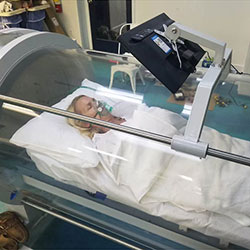
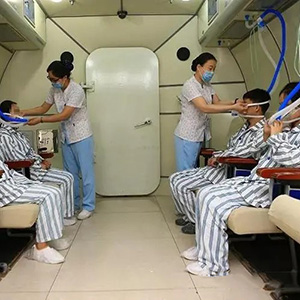
3. Hyperbaric Oxygen Therapy (Professional Level)
Principle: Inhaling high-purity oxygen at 1.3-1.5 times atmospheric pressure, increasing dissolved oxygen to 6ml/100ml blood with 3x enhanced penetration
Suitable for:
- Knowledge workers: Enhances focus (clinical tests show 22% cognitive improvement)
- Athletes: Accelerates lactic acid metabolism (data shows 40% faster recovery)
- Sub-Health Individuals: Improves sleep quality (User feedback: Deep sleep extended by 1.5 hours)
How to Choose an Oxygen Supplementation Plan?
Mild Needs: 30 minutes of daily outdoor aerobic exercise
Chronic Hypoxia: Medical oxygen concentrator (Select models with 93%±3% oxygen concentration)
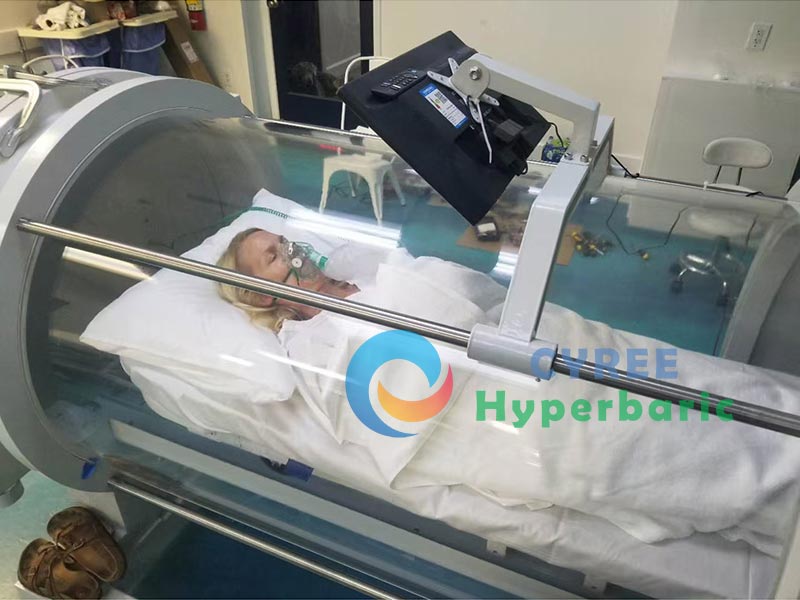
Deep Repair: Hyperbaric oxygen chamber (Recommended with smart control system and medical-grade pressure monitoring)